Weekend and after-hours moves, every week of the year

USDOT 0000000 | MC 000000 | TxDMV 000000C (demo placeholders)Houston, TX(713) 555-0198

Planning tool

Estimate it both ways

Put the inventory in once and see the local hourly model and the weight-and-distance tariff side by side, with the derived volume, weight, crate count and crew.

Business team in a modern office reviewing architectural floor plans during a casual meeting.
  • Office contents densityabout 7 lb per cu ft
  • Crew hours per workstation1.6 to 2.2
  • Local minimum2 hours plus travel

Relocation cost estimator

Niche scope: two pricing models

Hourly or weight and distance

Commercial moves are priced two completely different ways. Put your inventory in once and see both, with the arithmetic shown rather than hidden.

What the tool assumes

  • 42 cu ft per workstation and 95 cu ft per private office, plus 8 percent for shared areas
  • Office contents at roughly 7 pounds per cubic foot
  • 1.9 crew hours per workstation before the access factor is applied
  • Five crates per workstation, ten per private office, held for three weeks

Local hourly, sample planning range

$18,400to$23,600

Estimated volume
3,024 cu ft
Estimated shipment weight
21,168 lb
Rental crates
380
Crew and trucks
8 movers, 2 trucks
On-site hours
17.5

    The dividing line is not distance alone, it is who carries the risk of a slow day. On hourly work you pay for the hours; on a tariff shipment the carrier does. Sample rates are planning figures, not a quote.

    Local hourly

    Crew hours plus truck, portal to portal

    Intrastate work inside the eight-county Houston area. Suites under roughly 6,000 sq ft, floor shuffles and same-building changes.

    (crew rate + truck rate) x (on-site hours + travel time), two-hour minimum, then quarter hours

    Crew rate, 2 movers and a truck
    $165 / hr (sample)
    Crew rate, 3 movers and a truck
    $215 / hr (sample)
    Crew rate, 4 movers and a truck
    $265 / hr (sample)
    Each additional mover
    +$50 / hr (sample)
    Portal-to-portal travel
    45 to 120 minutes
    After-hours and weekend uplift
    +18 to 35 percent (sample)

    Included

    • Truck, fuel and equipment
    • Shrink wrap, blankets and straps
    • Floor and door protection
    • Basic disassembly and reassembly

    Billed separately

    • Crates and cartons
    • Custom crating
    • Full value protection
    • Storage

    Weight and distance

    Net pounds against mileage band, discounted off tariff

    Interstate shipments and any long intrastate lane. Multi-site roll-outs and consolidations where hours are the carrier's risk, not yours.

    linehaul (net weight x mileage band rate, less discount) + packing + valuation + accessorials

    Office contents density
    about 7 lb per cubic foot
    Typical 40-seat office
    9,000 to 14,000 lb
    Linehaul, 500 to 1,800 mi
    $1.15 to $2.40 / lb (sample)
    Stair carry above the first flight
    per flight, per shipment
    Long carry beyond 75 ft
    per 50 ft increment
    Shuttle service
    when a 53 ft trailer cannot reach the dock

    Included

    • Certified empty and loaded scale tickets
    • Inventory with condition codes
    • Released value at 60 cents per pound
    • Guaranteed delivery spread

    Billed separately

    • Full value protection
    • Packing labour and materials
    • Storage in transit handling
    • Accessorial charges listed above

    Estimate types

    Niche scope: estimate types

    Three estimates exist. Ask which one you have.

    They allocate the risk of an inaccurate weight in three different ways. Every estimate we issue names its type in words, on the first page, before any number appears.

    Binding estimate

    A fixed price for the scope and inventory written on the estimate. The price does not change if the shipment weighs more than the carrier guessed.

    You pay
    Exactly the estimated amount, whatever the scale says on move day.
    Good for
    Budget approval cycles, capital projects and anyone who needs one number in a board paper.

    Items added after signing are not covered. Additions must be re-estimated in writing before loading, or the carrier can refuse them or convert the estimate.

    Recommended

    Binding not-to-exceed

    A ceiling price with a floor that can fall. If the shipment weighs less than estimated you pay the lower actual charge; if it weighs more you still pay no more than the estimate.

    You pay
    The lower of the estimated amount or the actual tariff charges.
    Good for
    Most commercial clients. It removes the downside without removing the upside.

    It only holds for the scope on the estimate. A fourth floor added two weeks out is a new estimate, not a free extra.

    Non-binding estimate

    An informed approximation of the final charges based on actual weight and services. The final invoice can be higher or lower than the estimate.

    You pay
    Actual tariff charges. At delivery the carrier may collect no more than 110 percent of the estimate; the balance is billed after 30 days.
    Good for
    Shipments where the inventory is genuinely unknown at quote stage.

    The 110 percent rule protects your cash flow on delivery day, not your budget. You still owe the balance later.

    Every written estimate we issue names its type on the first page, in words, before any number appears. If a carrier will not tell you which of these three you are being given, that is the answer.

    Accessorials

    The charges that surprise people

    None of these should appear on an invoice unless they were identified at survey and written into the scope. If they were missed, that is our error to absorb.

    Accessorial charges and what triggers them
    ChargeWhat triggers itHow it works
    Stair carryEach flight above the first, at either endMeasured at survey, priced per flight per shipment
    Long carryBeyond 75 ft from truck to doorCharged in 50 ft increments; common in campus buildings
    Shuttle serviceA 53 ft trailer cannot reach the dockA smaller vehicle ferries between the trailer and the building
    Elevator waitShared freight car during the windowAdds 20 to 35 percent to the on-site clock on hourly work
    After-hours engineerBuilding staff required outside dock hoursBilled by the building to the tenant, not by us
    Storage handlingShipment goes into the warehouse in transitHandling in and handling out are separate one-time charges

    Sample planning figures throughout. Nothing on this page is a quotation.

    Questions

    Estimates and pricing

    Six answers on the two models, the 110 percent rule and what portal to portal really means.

    Read the full FAQ

    For most commercial clients, a binding not-to-exceed. It sets a ceiling you cannot go above and still lets the invoice fall if the shipment weighs less than estimated. A straight binding estimate is better when finance needs one immovable number; a non-binding estimate only makes sense when the inventory is genuinely unknown at quote stage.

    On a non-binding interstate estimate, the carrier may collect no more than 110 percent of the estimated charges at delivery. The balance is billed later, typically after 30 days. It protects your cash flow on the day, not your budget over the project.

    Local work inside the Houston area is charged on crew hours plus truck, portal to portal. Interstate shipments are priced from a published tariff on net weight against a mileage band, then discounted. The dividing line is who carries the risk of a slow day: on hourly work that is you, on a tariff shipment it is the carrier.

    The billable clock starts when the truck leaves our Milwee Street yard and stops when it returns. Inside Beltway 8 that is typically 45 to 75 minutes across the job; The Woodlands and Clear Lake can reach two hours. We state the figure in the scope before you book.

    Not if the survey was done properly. Stair carry above the first flight, long carry beyond 75 feet and shuttle service are all identified at survey and written into the scope. If we miss something, that is our error to absorb, not your invoice to grow.

    For projects above roughly $10,000 we take a scheduling deposit that holds the crew, the trucks and the elevator windows. It is credited against the final invoice. Smaller hourly jobs are invoiced after completion on approved commercial terms.

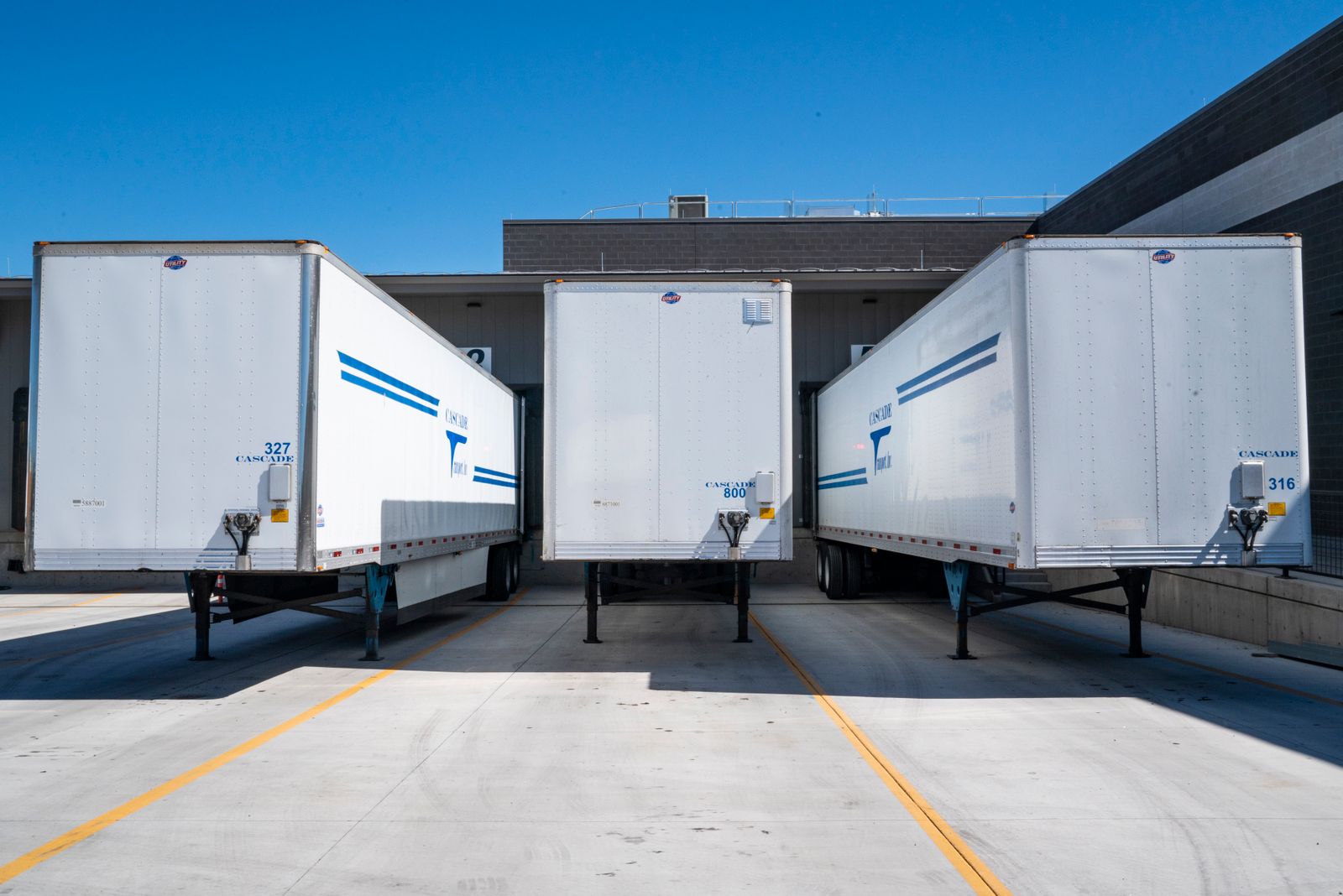
    Summit box trucks staged at a loading dock

    Next step

    Turn the estimate into a scope

    The estimator gives a planning range. A survey gives a number you can put in a budget and hold us to.

    Cookie preferences

    Choose which cookies you allow. You can change this at any time from the link in the footer.