Service
Warehousing and asset storage
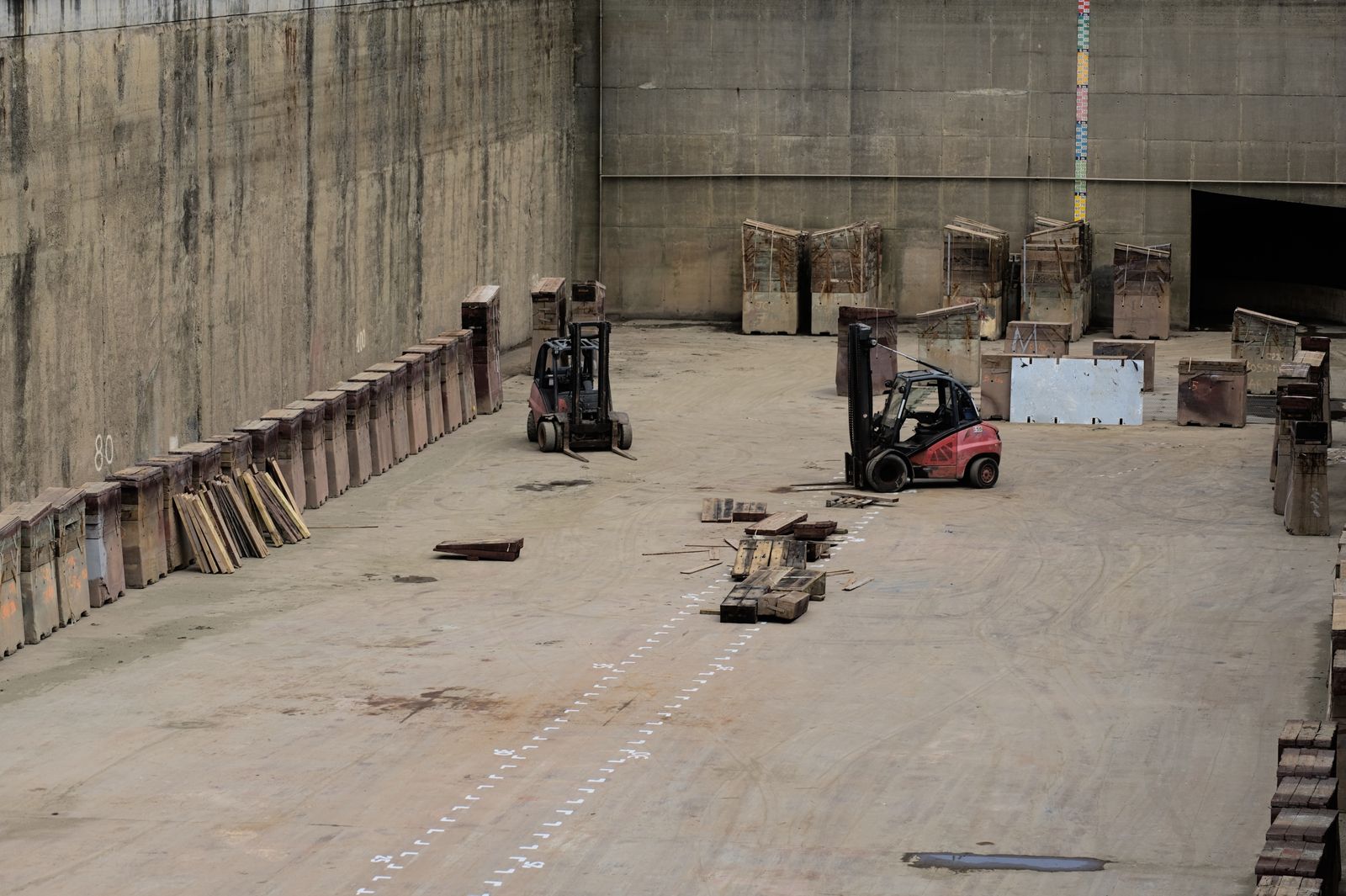
Racked pallet positions and timber storage vaults in a sprinklered Houston warehouse, with barcoded inventory and scheduled release to site.
Overview
How this scope works
Project storage exists because buildings are rarely ready on the day the lease ends. We hold furniture, files and equipment in a sprinklered, alarmed Houston warehouse, either on racked pallet positions or in timber storage vaults measuring roughly 5 by 7 by 7 feet 6 inches, about 245 cubic feet each.
Everything is barcoded on intake and photographed on the way in. You get an inventory you can read, and releases are scheduled rather than ad hoc, so a floor's worth of furniture arrives in the order the installers need it.
What is included
- Barcoded intake with condition notes and photographs of every lot
- Racked pallet positions for cartons, files and flat-packed furniture
- Timber storage vaults of about 245 cubic feet for assembled furniture and bulky items
- Sprinklered, alarmed and monitored warehouse with restricted access
- Scheduled release in installer sequence with delivery to site
- Monthly inventory statement and a named account contact
How we run it
- 01
Intake
Items are checked in against the inventory, barcoded, photographed and put away to a location that is recorded against your account.
- 02
Hold
Storage is billed monthly per vault or per pallet position. Handling in and handling out are separate one-time charges.
- 03
Release
You tell us what is needed and when. We pick by barcode, stage the load in the order the installers want it and deliver to site.
- 04
Close the account
Final release triggers a reconciliation against the intake inventory, with any exceptions documented before we close it.
Why clients pick it
You know what you have
Barcoded lots and intake photographs mean no one is arguing about whether the 40 task chairs went into storage or into a skip.
Storage in transit or permanent
Short-term project holds and long-term archive storage run on different rates and paperwork. We tell you which one you are in.
Release in sequence
Furniture arrives on site in the order the install team needs it, not in the order it happened to be stacked.
One carrier throughout
The same company moved it, stored it and returns it, so nothing falls between two contracts.
What drives the price
| Factor | What it means |
|---|---|
| Volume | Sample rates: $78 per vault per month or $34 per racked pallet position per month. |
| Handling in and out | One-time charges per vault or pallet, typically $35 to $55 each way, for the labour of putting away and picking. |
| Duration and type | Storage in transit is a project hold under the move paperwork; permanent storage is a separate warehousing agreement with its own liability terms. |
| Release pattern | One large release is cheaper than six small ones. Each delivery to site carries its own transport charge. |
Sample storage rates for planning. Insurance on stored goods is quoted on declared value and is not included in the monthly rate.
Questions
Warehousing and asset storage: common questions
Not answered here? The full FAQ has twenty-six more.
Read the full FAQStorage in transit is a temporary hold that stays under your move paperwork while the shipment is still in the carrier's care. Permanent storage is a separate warehousing agreement with its own liability terms and insurance. The practical difference is paperwork, liability and rate, and we convert one to the other in writing rather than letting it drift.
About 5 feet by 7 feet by 7 feet 6 inches, roughly 245 cubic feet. A vault typically holds the contents of six to eight workstations or one private office including its furniture.
Yes, by appointment with a warehouse escort. The warehouse is a working facility with forklifts and racking, so unescorted access is not possible.
Basic carrier liability applies while goods are in transit. Storage cover is quoted separately against your declared value, and we will tell you exactly what the default limit is before anything goes on a rack.
Next step
Book the survey before you book the date
Freight elevator windows in downtown towers are commonly reserved four to six weeks out. The survey is what tells you whether your date is real.