Industry
Healthcare and clinics
Clinics, imaging suites and medical office buildings moved between patient days, with infection control and equipment handling built into the method.
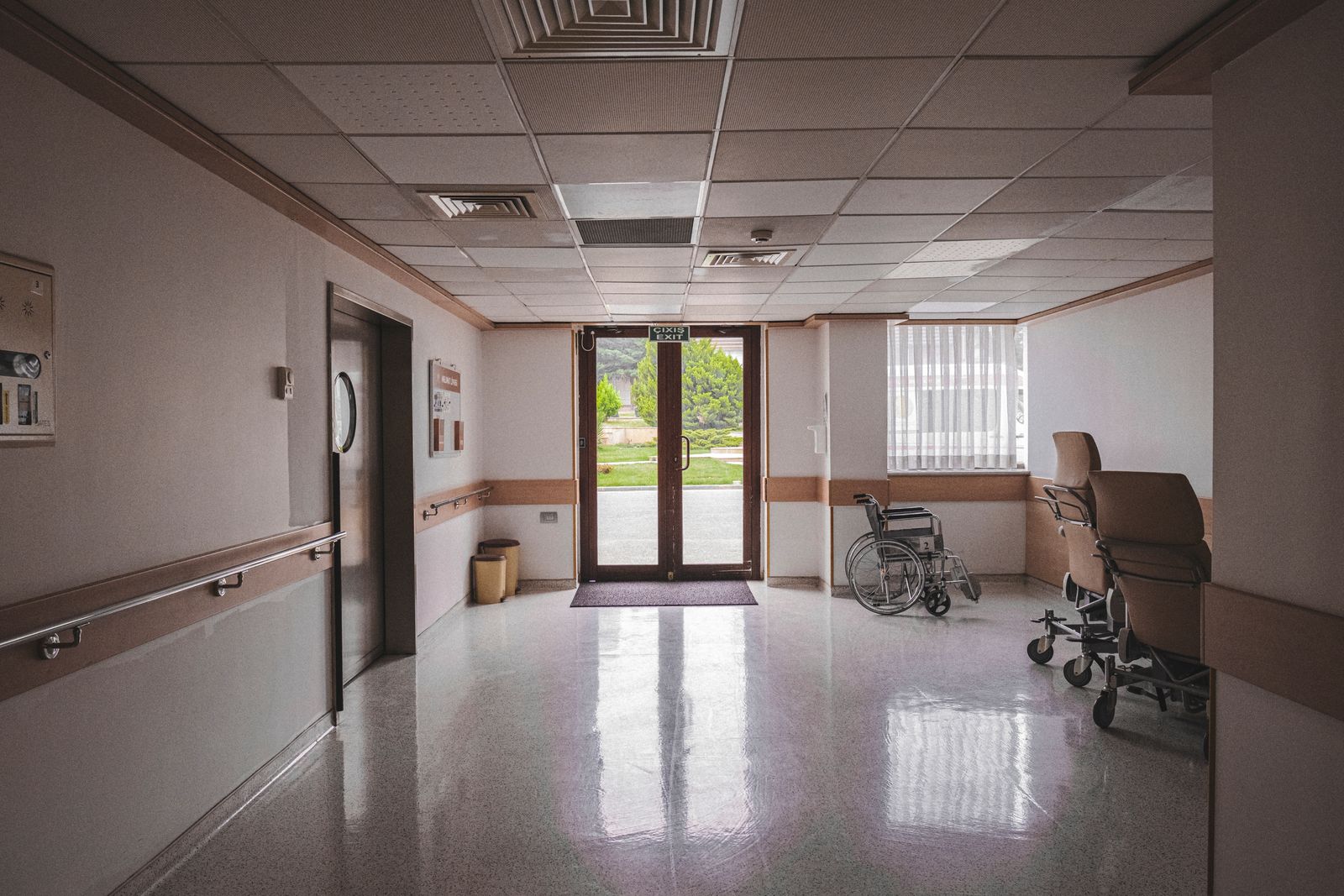
- Typical footprint6,000 to 40,000 sq ft medical office suites
- Move windowFriday evening to Sunday, or between the last and first appointment
- CrewsBackground checked
How this sector moves
Relocating healthcare and clinics
A clinic cannot close for a week. Healthcare relocations are scheduled against the appointment book: load after the last patient leaves, place and build overnight, and have reception, exam rooms and imaging ready before the first appointment the next working day.
Equipment is the other half of the job. Imaging units, autoclaves, procedure chairs and refrigerated storage each need their own handling, and anything that requires a manufacturer's engineer to decommission and recalibrate is scheduled around that engineer, not the other way round.
Requirements we plan against
- 01
Infection control
Clean route protection, covered crates in clinical areas, and crews briefed on which corridors and lifts are not available to them during patient hours.
- 02
Refrigerated and controlled stock
Cold chain items move last and arrive first, in validated coolers with temperature logging. Controlled substances remain in your custody at all times.
- 03
Records and PHI
Patient records move sealed, logged and signed for, under the same chain-of-custody process we use for data-bearing IT assets.
- 04
Imaging and heavy equipment
Rigged under a written method statement, with floor loading confirmed at destination and manufacturer recommissioning booked before the move date.
What we work through at survey
- Confirm the last appointment time and the first appointment after the move
- Book the manufacturer engineer for imaging decommission and recalibration
- Agree the clean route and which lifts crews may use
- Log and seal patient records, with a named custodian on your side
- Validate coolers and confirm the cold chain plan for refrigerated stock
Niche scope: insurance and access
What the building will ask for
Property managers approve moves, not movers. These six things decide whether your window is confirmed or bounced back five days before the date.
COI lead time
Most Houston Class A buildings require the certificate five business days before the move, with exact additional insured wording. We issue within 24 hours of receiving the requirement, which leaves room for a rejection and a reissue.
Freight elevator reservation
Booked in blocks, usually four hours minimum, outside 8:00 am to 6:00 pm. Downtown towers are commonly reserved four to six weeks ahead, and an after-hours building engineer is billed to the tenant by the hour.
Dock windows and truck limits
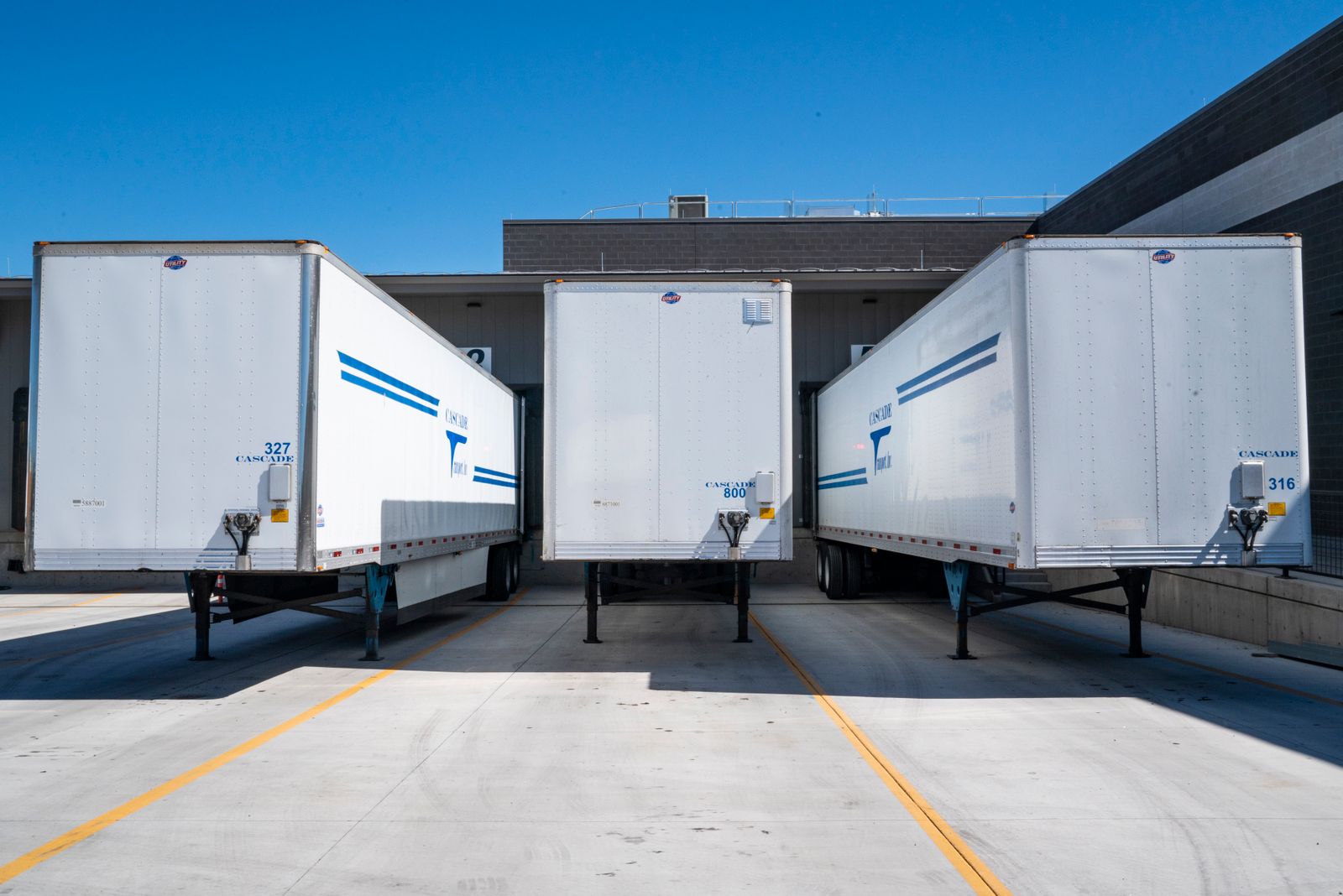
Dock slots are allocated by the hour and shared with retail and food deliveries in mixed-use towers. Several Uptown docks cap vehicles at 26 ft length or 13 ft 6 in clearance, which changes the truck plan.
Floor and wall protection
Masonite over finished floors, ram board in corridors, corner guards on every turn, elevator pads hung by the building engineer, and door jamb protection at both ends. Photographed before and after.
Crew rosters and badging
Security desks want full legal names 48 hours ahead, sometimes with photo ID numbers. Every mover on our payroll is background checked, so rosters are not returned for a failed check on move night.
Method statements
Anything rigged, anything over 800 pounds and anything in a regulated space moves under a written method statement naming the crew, the equipment, the route and the abort conditions.
Building requirements
Next step
Planning a healthcare and clinics move?
Tell us the window you have to hit and what cannot be interrupted. Everything else is arithmetic.