Broom-clean, resale and the diversion report your ESG file needs
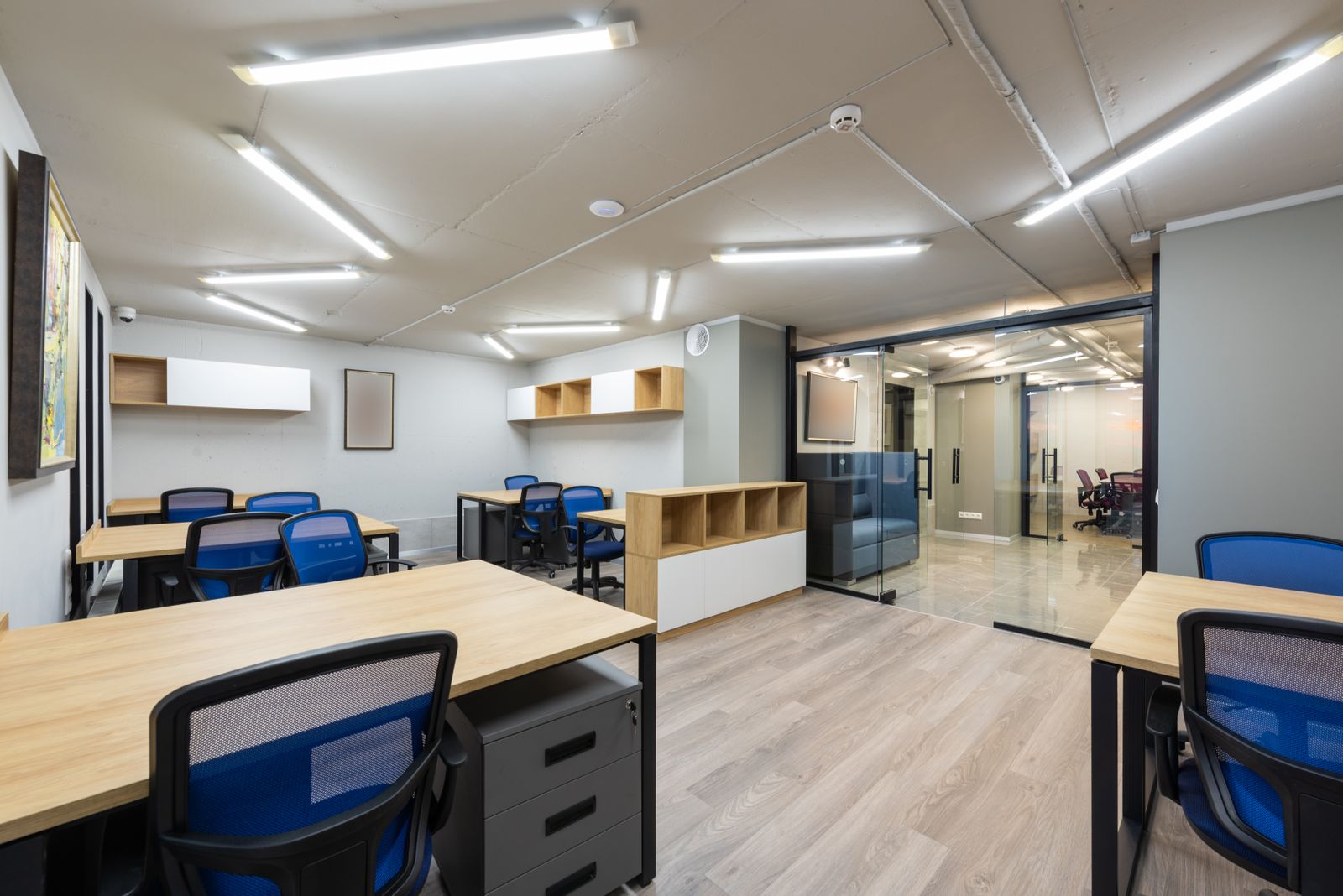
Every commercial move has a second project attached to it that nobody budgets for: giving the old suite back. Most Houston leases require it returned broom-clean, with tenant improvements, signage and abandoned cabling removed. Get that wrong and the landlord does it for you, at their contractor's rate, out of your deposit.
Read the make-good clause first
Make-good clauses vary more than people expect. Some require only that the space be empty and swept. Others require cabling pulled from ceiling and floor voids, tenant signage removed and the walls made good, and a few require the space returned to base build.
We read the clause before we scope, with your property team in the room. Scoping a decommission without it is guesswork in both directions: either you pay to remove things the landlord was happy to keep, or you skip something that costs you the deposit.
Four streams, not one skip
Everything left in a suite goes into one of four streams: resale, donation, recycling or landfill. The order matters because it is also the order of value.
Late-model benching systems, height-adjustable bases and branded task seating hold real value in the Houston secondary market. A realistic return is 8 to 18 percent of original cost depending on brand, age and condition, and that credit comes back against your decommission scope rather than into a contractor's pocket.
What will not sell often still has a home. Community health providers, charter schools and non-profits take conference tables, casegoods and seating, and the donation produces a receipt your finance team can use.
Why the report has to be weighed
A diversion report says how much material went to each stream, in pounds. The only credible version is the one built from weigh tickets, because a percentage that came from someone's estimate is a number with no evidence behind it.
If your organisation reports on waste diversion, the report is the deliverable, not the recycling itself. Ask any decommission contractor how their diversion figure is produced. If the answer is not weigh tickets, the figure will not survive a serious audit.
Data does not go in the skip
Abandoned drives, old backup media, photocopier hard drives and anything else data-bearing leaves the site under the same chain-of-custody process we use on IT relocations, and is destroyed with certificates issued by serial number.
Photocopiers are the one everybody forgets. A leased multifunction device has a drive in it, that drive has years of scanned documents on it, and it is about to go back to a leasing company. Handle it deliberately.
Figures in this article are sample planning ranges prepared for a demonstration site, not quotations. Regulatory references are summaries, not legal advice.