What a server relocation runbook actually contains
The physical relocation of a data room is not difficult. Racks are heavy, but heavy is a solved problem. What makes IT moves fail is the reconstruction: 940 terminated ports, 22 racks and one engineer trying to remember which switch fed which floor at two in the morning.
A runbook exists so nobody has to remember anything. Here is what ours contains and why each part earns its place.
The rack audit, two weeks out
Every rack is photographed front and back at full resolution. U positions are recorded for each device. Ports are mapped, patch leads are labelled at both ends, and the power feeds are traced and noted. This takes a day for a mid-size room and it is the single highest-value day in the project.
Out of the audit comes the destination elevation drawing: what goes where, in which U, in which rack, at the new site. Your IT lead signs it. From that moment there is a correct answer to every question a mover can ask at 2 am.
Chain of custody, and why seals matter
Every data-bearing asset is logged by asset tag and serial, bagged, and closed with a numbered tamper-evident seal. The seal number is written against the asset. Custody is signed at each transfer: origin to vehicle, vehicle to destination.
At the far end the seals are checked and the numbers recorded before anything is racked. If a seal is broken or the number does not match, that becomes an incident with a paper trail rather than a conversation six weeks later that nobody can resolve.
Auditors do not want reassurance that the process was followed. They want the log. Producing it on the day costs nothing; reconstructing it afterwards is close to impossible.
Transport is a separate load
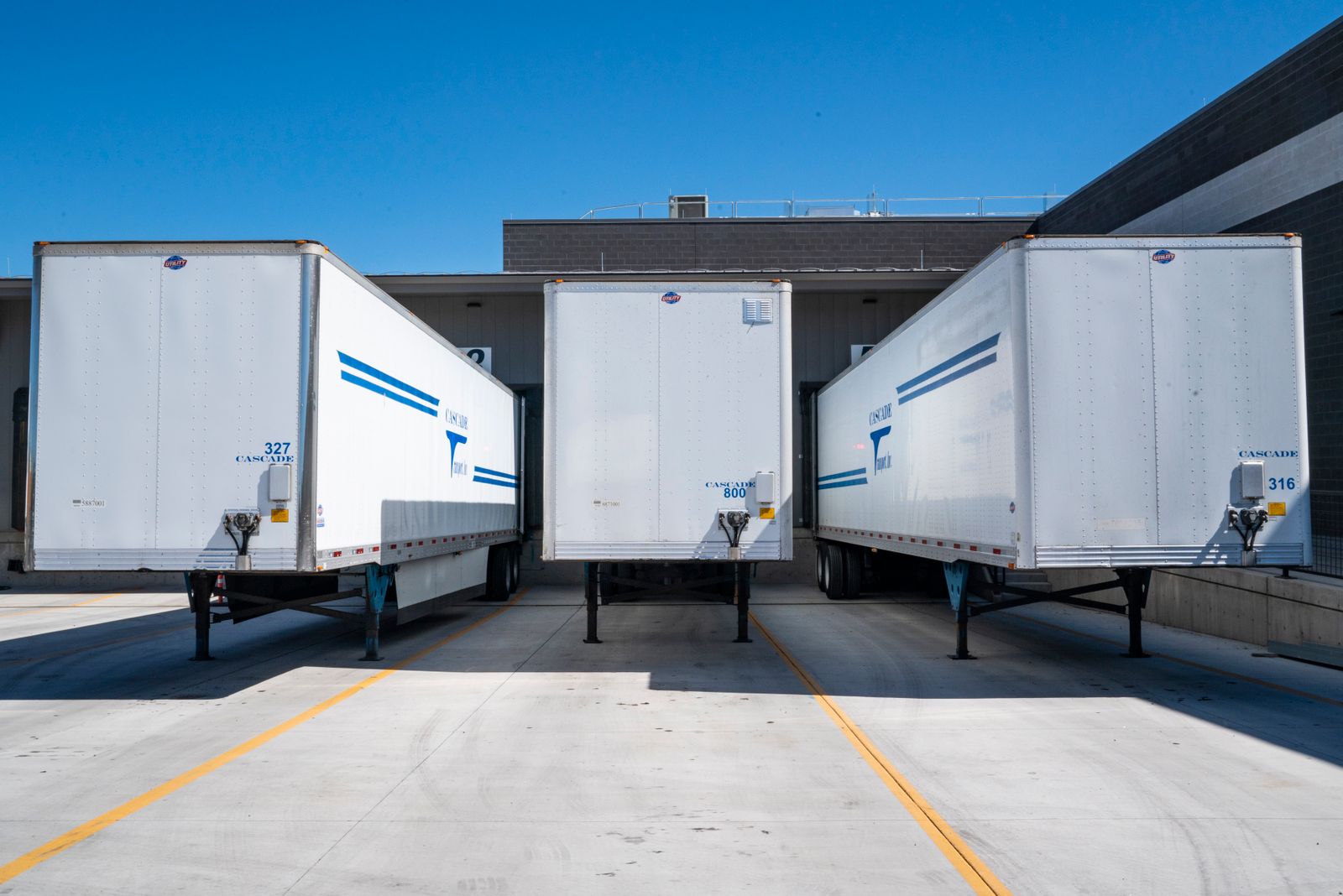
Racks and appliances go in a dedicated air-ride load, never with the furniture. Two reasons: shock protection on Houston road surfaces, and custody. Mixing sealed data-bearing assets with 300 crates of general contents makes the custody record meaningless.
Temperature is kept inside operating range for the whole transit. That matters more in a Houston August than most people allow for.
Power-up has an order
- Core switching and routing first, confirmed reachable
- Distribution layer, then access switches by floor
- Storage, then hypervisors, then hosts in dependency order
- Services tested by your team, not ours
- Handover certificate countersigned only after that test
One more thing: the UPS
Battery strings come out before the unit moves. They travel upright and secured, and they are reinstalled and load-tested at destination. Moving a populated UPS is how people damage both the unit and the floor it is standing on, and it is entirely avoidable.
None of this is exotic. It is just written down before the night it matters, which is the only difference between a runbook and a hope.
Figures in this article are sample planning ranges prepared for a demonstration site, not quotations. Regulatory references are summaries, not legal advice.